Buyer
Signs the check.
C-level executive or director
Multiple archetypes
Principal product designer · Founder
From the decision
to the thing in use.
I turn complex problems into useful products, align teams around consequential decisions, and build the conditions for good work to scale.
Product strategy. Systems thinking.
Hands-on design and building.
Eight cases. Different scales of change.
Selected cases
Strategy, systems, and organizational change.
01 / NeuronsDesign manager · 9 months
Bringing the overlooked analyst into focus changed our customer model. Credit inflation enabled more flexible offers with minimal platform change.
Customer model / Two personas
Buyer
C-level executive or director
Multiple archetypes
Analyst
The day-to-day platform user
Multiple archetypes
customers with unspent creditsReported across the work
customers proactively reaching out to renewRenewal interest
Company reorientation
Buyer and analyst became part of how the company understood and served customers. Design’s contribution extended into the commercial offer.
02 / NisiEducation · Principal · Current
I reframed curriculum tooling as focused guidance inside the author’s writing flow, reducing rework and helping move a resisted proposal into beta.
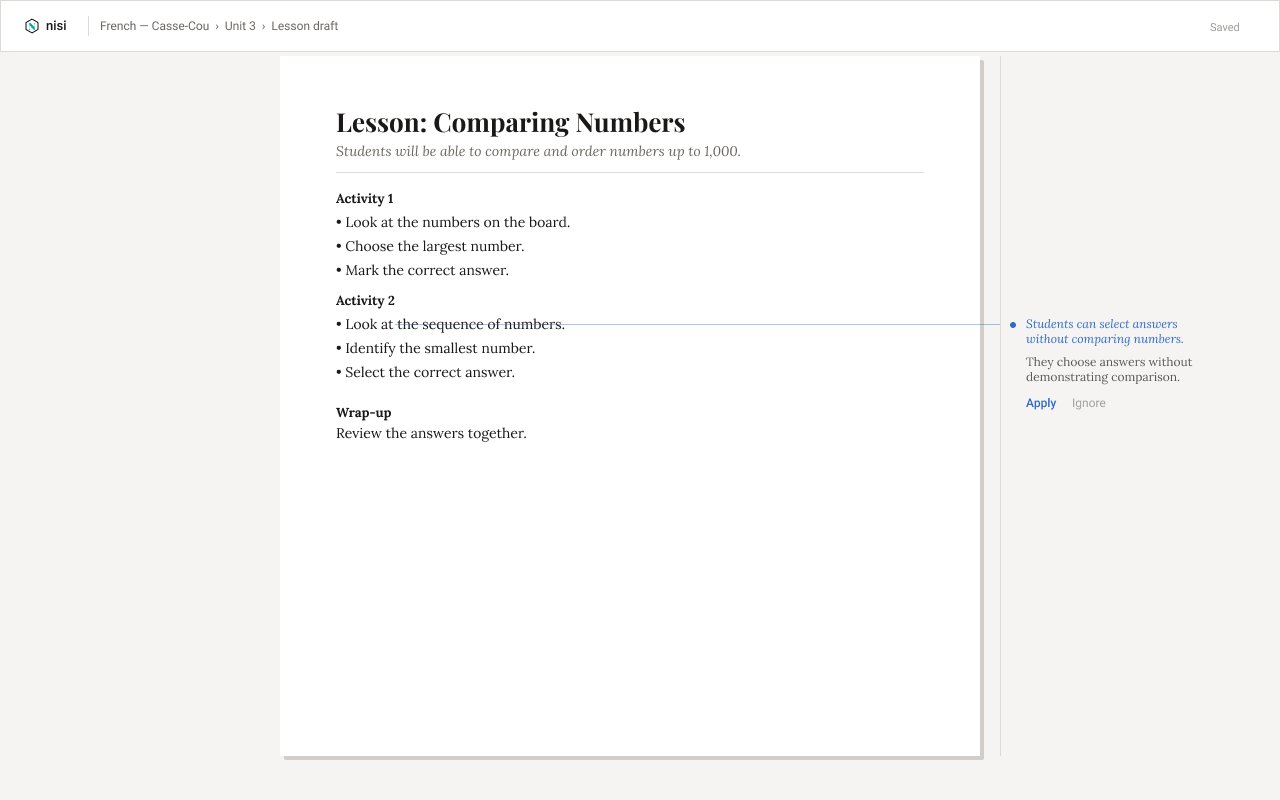
less rework after author handoffEarly pilot evidence
shorter delivery timeReported in beta
Organizational change
Evidence helped move the work from a resisted proposal into beta, with demand from authors outside the initial program.
Discovery, interaction, and service design.
Spotify
Working prototype
A working LLM prototype explored narrator selection, character voices, and word synchronization. I cut directions that risked changing the author’s intent.
Peer Inc
Early testing
I reframed a transaction-heavy gifting flow around the moment between friends, bringing the in-app economy, motion, and haptics into the social experience.
iFood
PWA tested · App built
I connected dine-in, delivery, and pre-pay around restaurant operations, with direct ordering channels and account creation delayed until it offered value.
Superb
Delivered changes
I separated booking from profile completion, helping restaurant managers secure a slot first and add guest details when service allowed.
Products and a studio, built from the first decision.
01 / LyraFounder & solo builder
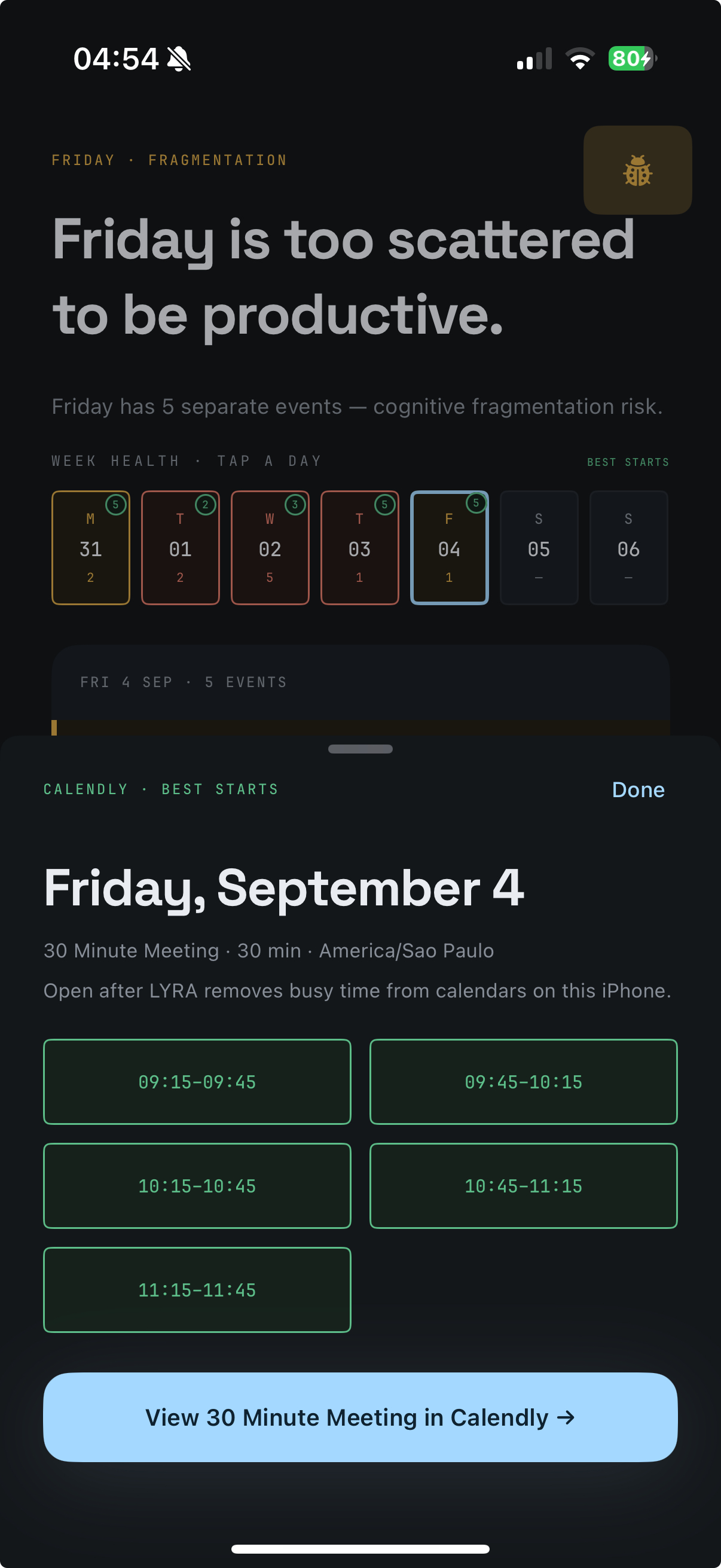
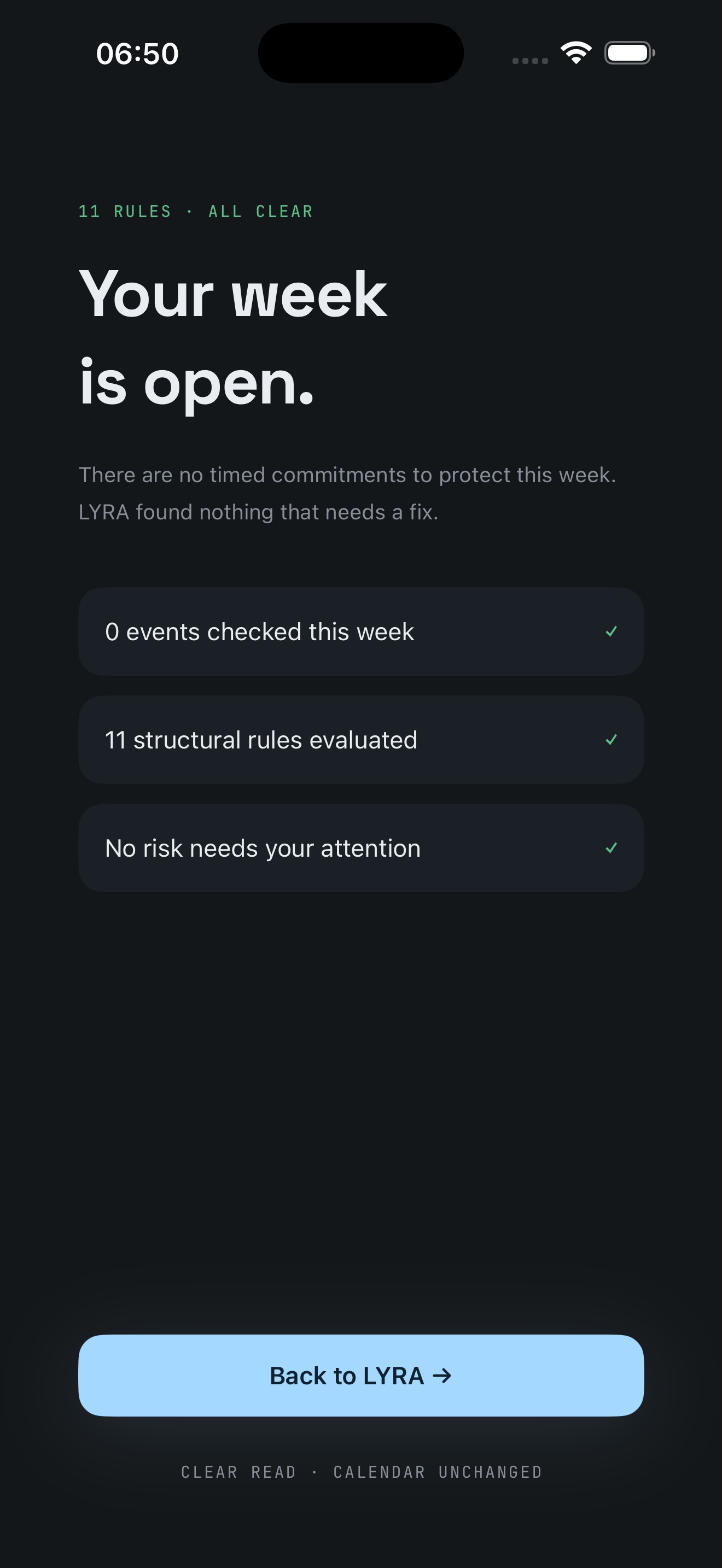
I narrowed a broad assistant thesis to useful calendar guidance. Recommended meeting times become Calendly availability only after the person reviews and approves them.
iOS release candidate · Calendly publishing verified on iPhone
02 / Arbor ForgeIndependent studio · In development
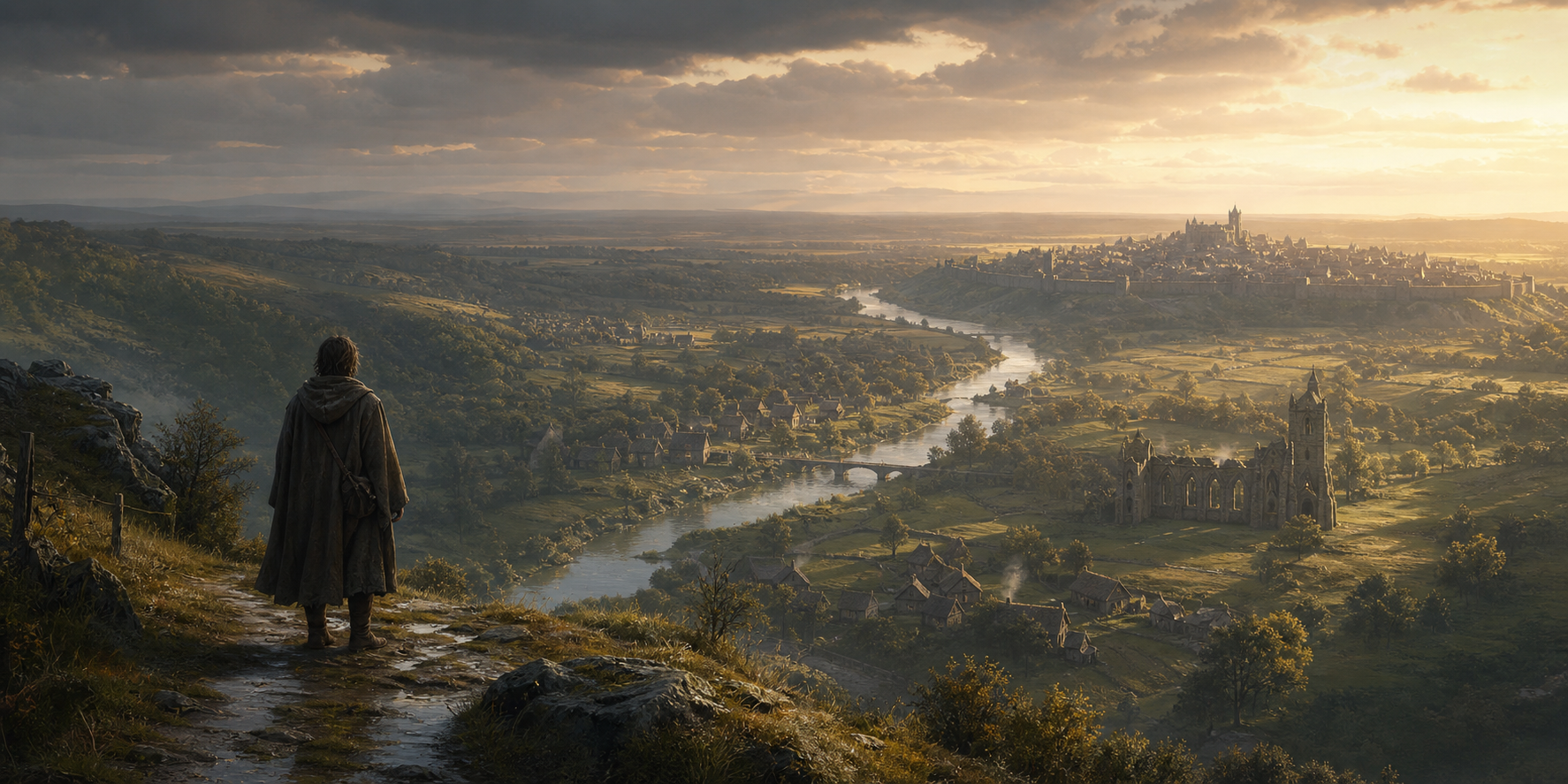
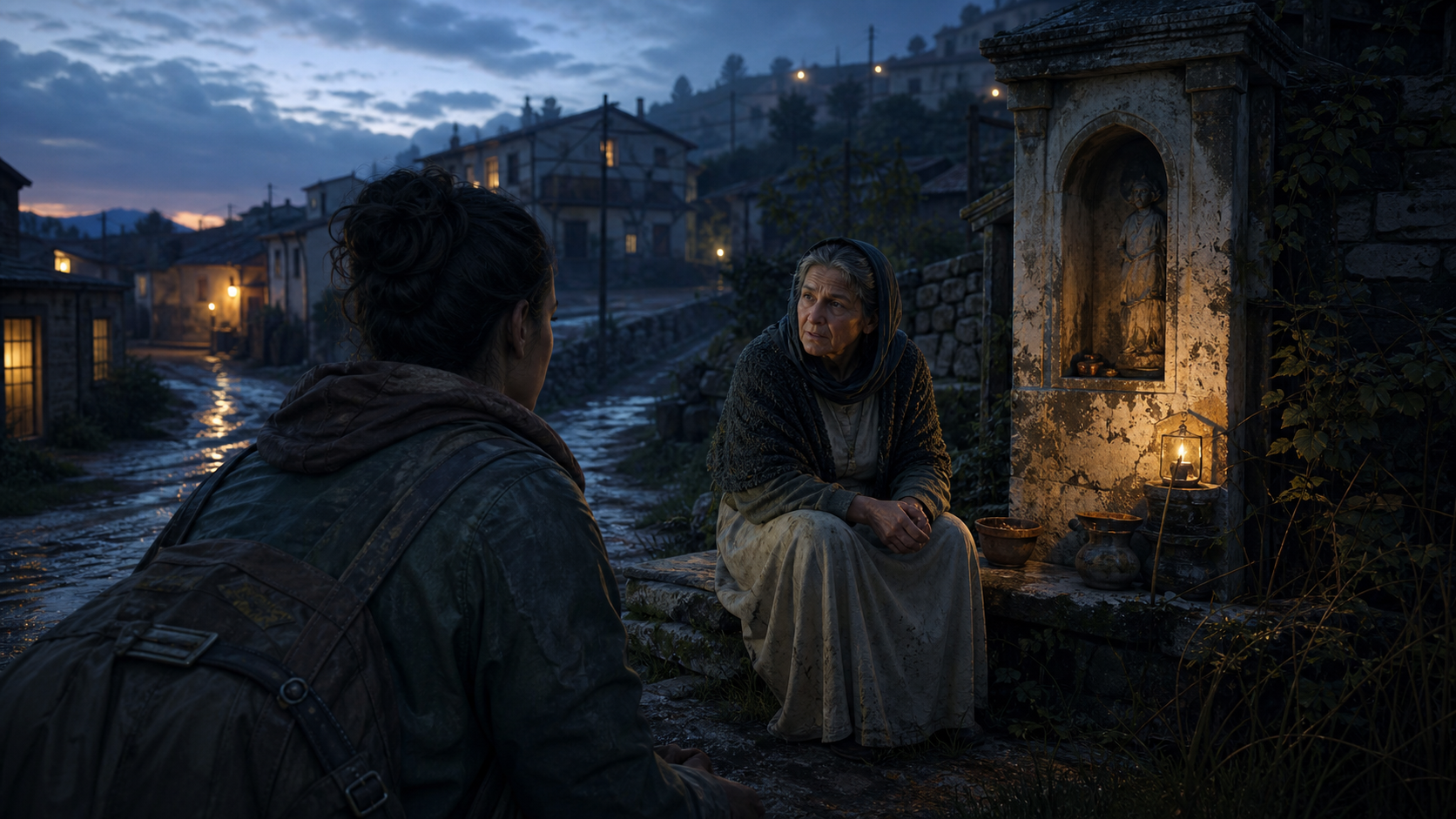
VERITAS is an independent narrative RPG built around observation, testimony, knowledge, and consequence.
I started Arbor Forge to explore not only the world itself, but the production system behind it: how creative direction, canon, interaction design, AI-assisted workflows, and implementation can stay aligned as the work scales.
WORLD
Story, visual language, and interaction serve the same idea: judgment changes the world. VERITAS is designed so observation changes what the player knows, knowledge changes what they can reasonably believe or do, and the world remembers the choices that follow.
STUDIO
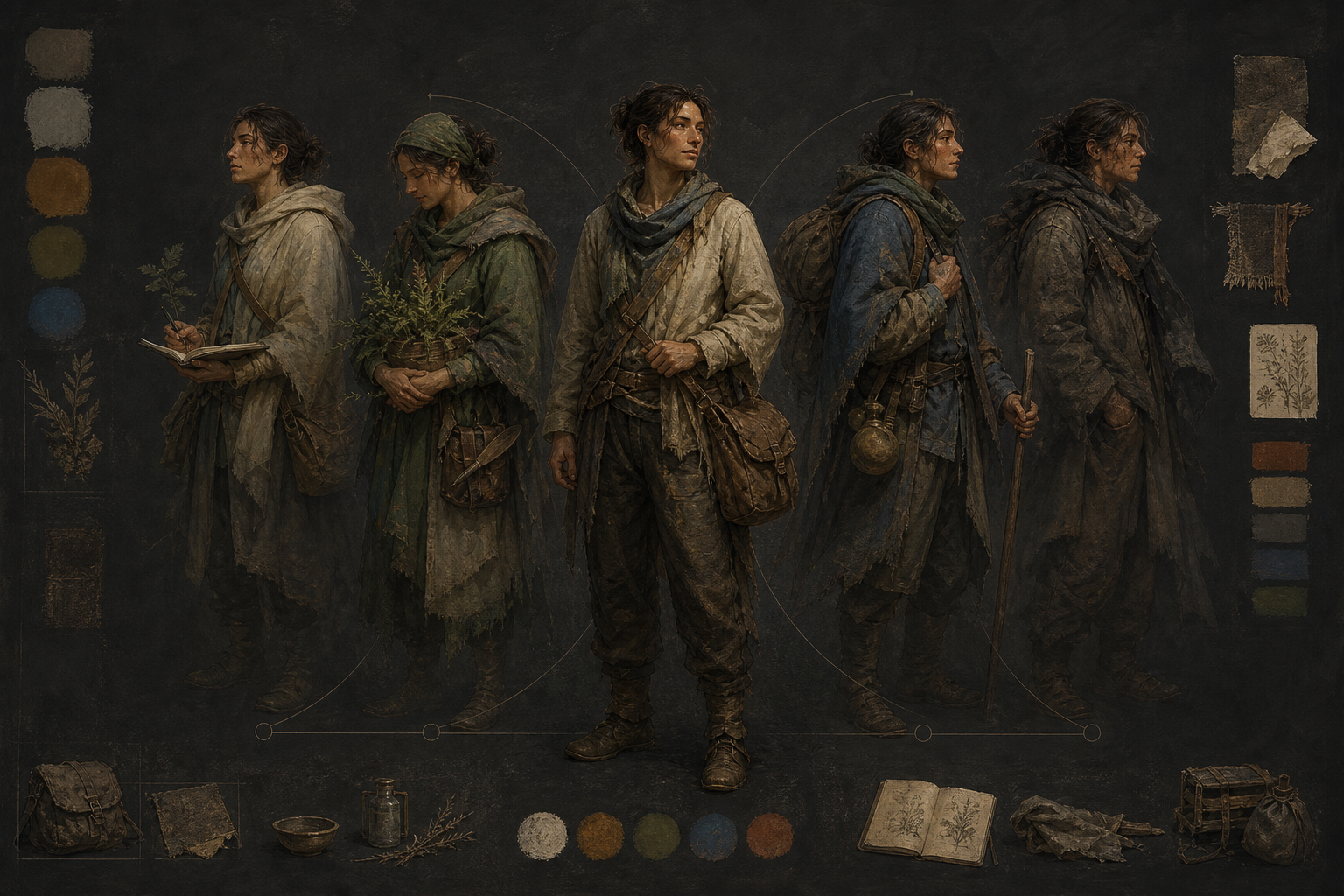
Shared canon, decision history, art bibles, production references, and implementation contracts keep work reviewable across disciplines. The goal is not documentation for its own sake. It is to reduce drift between intent and execution.
PRACTICE
AI is a production capability, not the creative authority. I define the player promise, visual references, scope, acceptance criteria, and quality bar. Agents can research, prototype, generate, implement, and test, but outputs are accepted only after they are evaluated against the intended player experience.
Execution
The early playable worked technically, but visually it had drifted far below the intended standard. I treated the mismatch as a production-system failure rather than an art-polish problem.
I recovered the approved character and world references, separated reference art from production-ready assets, created gameplay-facing visual targets, and changed the review process so visual work must now be judged in-engine and at gameplay scale.
I reorganized the agent and production workflow around the same rule: work counts once it holds up in-engine. The current constraint is deliberate: less breadth, more proof.
Current target: an art-approved, approximately 30-minute VERITAS: Two Promises playable by November 15, 2026.
Motion
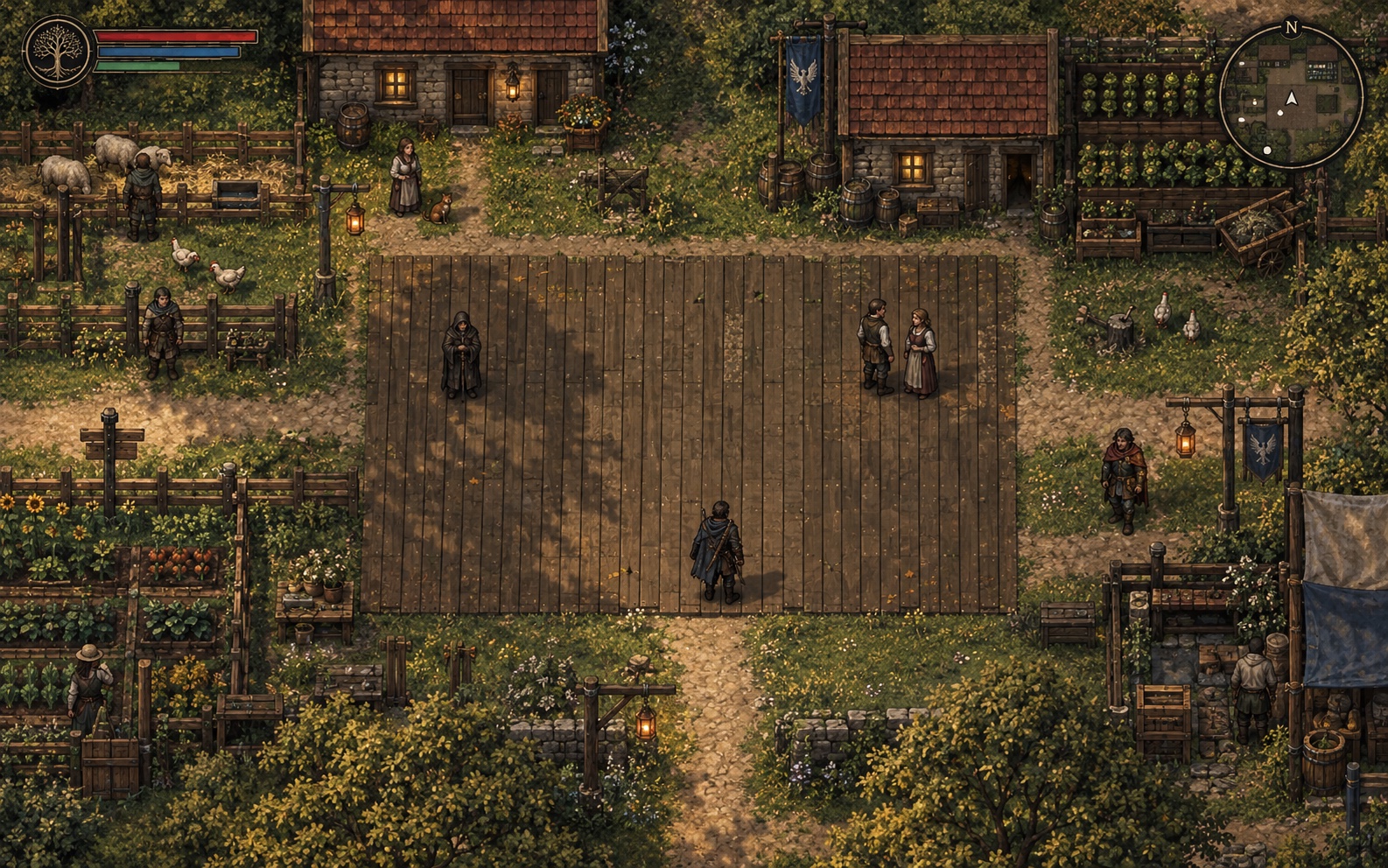
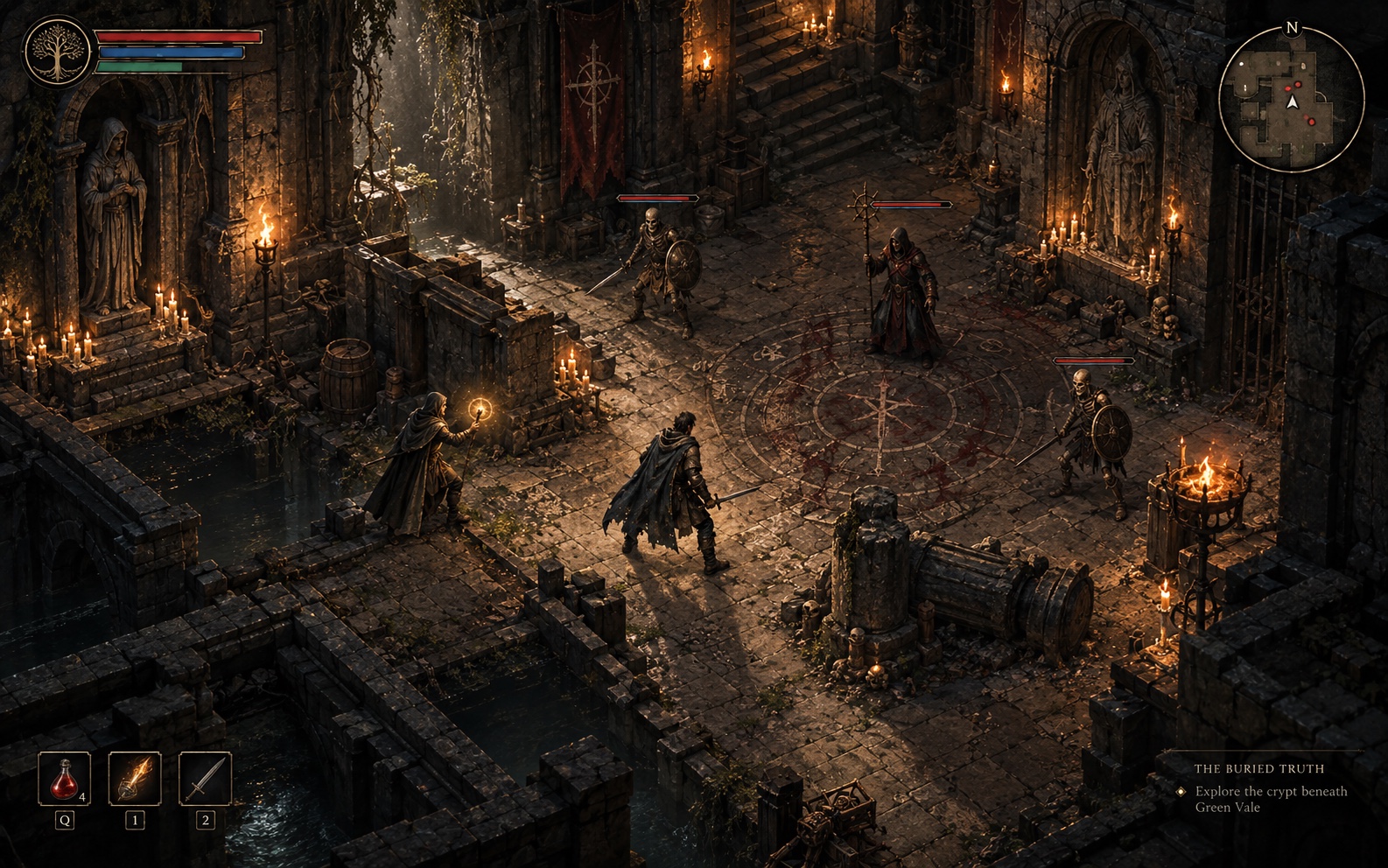
Still images established the visual bar. Motion studies test a different question: whether character identity, atmosphere, environmental density, and combat readability remain coherent once the world starts moving.
Generated visual studies — not in-engine or gameplay footage.
From the archive
Lunar · Lead designer
Research shifted the strategy from more education to fewer, more meaningful decisions. Themes became the discovery layer.
onboarding completion after the redesign
How I work
My work moves between product strategy, interaction design, and the systems teams use to deliver. I care about what a decision makes possible for the person using the product and the people building it.